
We are Amylodosis UK — a patient-led charity connecting people, sharing knowledge, advocating for those affected by amyloidosis and raising awareness across the UK.
What we do
Support

Information

Advocacy

Research & Collaboration

Why it matters
Amyloidosis is a rare but serious condition that is often overlooked. Many patients face late diagnoses, limited treatment options, and unnecessary suffering. With greater awareness, better education, and stronger support networks, we can change lives and improve outcomes.
Join Us
Donate
Sign up to our newsletter
Get in touch
Forum
Latest news

The RareCare National Survey
Read More...The Consilium Scientific Team are excited to announce the launch of the RareCare National Survey, a key part of…

Workouts and exercises for people living with amyloidosis
Read More...We’ve teamed up with Personal Trainer & Strength Coach Alan Levi and the New Zealand Amyloidosis Patient Association…

Midlands Patient & Family Event
Read More...An afternoon of learning and support for people living with amyloidosis at the Edgbaston Park Hotel, Birmingham on…
About amyloidosis
What is amyloidosis?
Amyloidosis is a group of rare diseases caused by the buildup of abnormal proteins, called amyloid fibrils, in the body’s tissues and organs. These deposits can damage organs and, if left untreated, may lead to life-threatening complications.
There is currently no cure, but treatments can manage symptoms, slow progression, and improve quality of life.
What happens in amyloidosis?
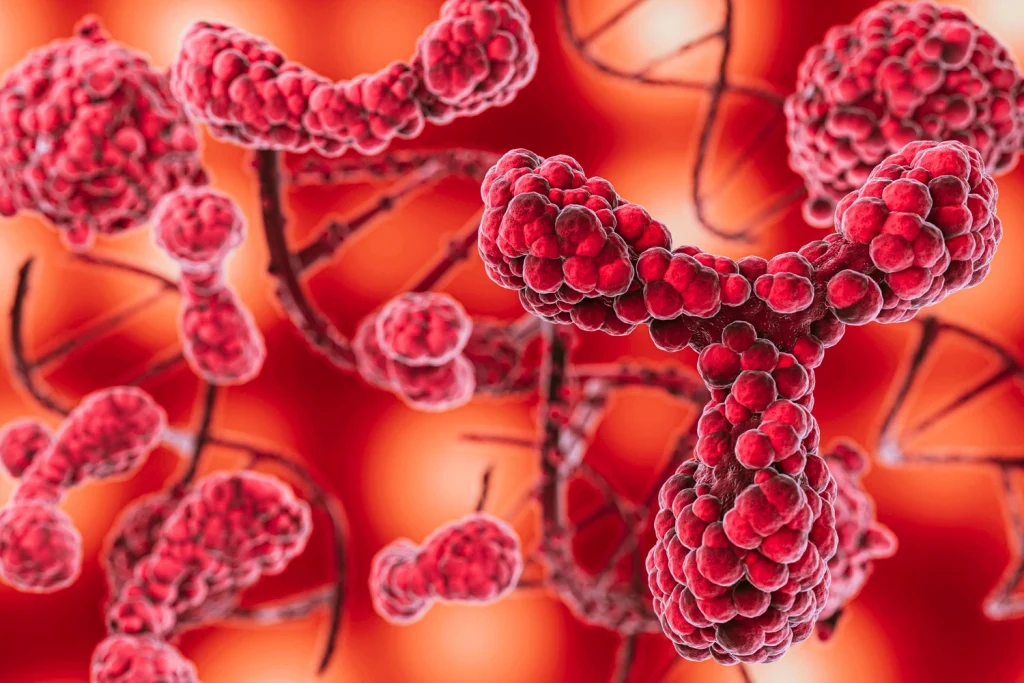
In a healthy body, proteins fold into specific shapes that allow them to function normally. In amyloidosis, some proteins fold incorrectly, becoming misshapen and sticky. These faulty proteins clump together and the body cannot break them down. Over time, these deposits build up and interfere with organ function.
Types of amyloidosis and how they’re treated
- Healthcare professionals classify amyloidosis by the type of protein involved.
- Treatment depends on the type of amyloidosis and the organs affected.
- Strategies focus on reducing the faulty protein and managing complications.
AL amyloidosis (primary)
Caused by abnormal antibody “light chain” proteins from plasma cells in the bone marrow. Often affects the kidneys and heart.Treatments
- Chemotherapy and immunotherapy: Drugs such as daratumumab kill abnormal plasma cells that produce amyloid proteins.
- Stem cell transplant: Replaces diseased bone marrow with healthy cells, suitable for select patients with less advanced organ damage.
- Targeted therapies: Experimental drugs like CAEL-101 aim to clear existing amyloid deposits.
AA amyloidosis (secondary)
Linked to long-term inflammatory conditions such as rheumatoid arthritis or Crohn’s disease. Typically affects the kidneys, liver, and spleen.Treatments
- Treat the underlying condition: Managing the chronic inflammatory disease (e.g., with biologic medications) reduces production of amyloid-forming protein.
ATTR amyloidosis (transthyretin)
Caused by an unstable transthyretin (TTR) protein produced by the liver.Sub-types
- Hereditary (familial): Inherited genetic mutation; affects nerves, heart, and kidneys.
- Wild-type (senile): Non-inherited, usually in men over 60; primarily affects the heart.
Treatments
- TTR stabilizers: Tafamidis (Vyndamax, Vyndaqel) prevents TTR proteins from forming amyloid fibrils.
- Gene silencers: Medicines like patisiran (Onpattro) and vutrisiran (Amvuttra) reduce production of faulty TTR in the liver.
- Liver transplant: In some hereditary cases, replacing the liver removes the source of abnormal TTR protein.
The rarer types (eg AApoA1, AGel, ALys & AFib)
AApoA1 Amyloidosis
AApoA1 amyloidosis, the UK’s third most common hereditary amyloidosis, arises from ApoA1 gene mutations that cause misfolded apolipoproteins to form amyloid deposits in major organs, while SAA is a normally low-level blood protein that increases during inflammation.
AGel Amyloidosis
AGel amyloidosis is caused by gelsolin gene mutations that produce abnormal gelsolin, leading to amyloid deposits that primarily affect the nerves, eyes and skin, and sometimes the kidneys and heart, despite gelsolin’s normal roles in muscle production, cell structure and wound healing.
ALys Amyloidosis
ALys amyloidosis is a very rare hereditary condition in which a lysozyme gene mutation produces an abnormal, infection-fighting protein that forms amyloid deposits, most commonly in the kidneys, liver and gut.
AFib Amyloidosis
AFib amyloidosis is a hereditary disorder in which liver-produced fibrinogen variants misfold into amyloid that primarily affects the kidneys, despite fibrinogen’s normal roles in clotting, inflammation and wound healing.
Support for patients & carers
Frequently asked questions
From coming to terms with a diagnosis to getting financial support, find answers to the most commonly asked questions by patients, carers and family members living with amyloidosis.
Support groups
There are support groups for many types of amyloidosis and associated conditions across the UK & Ireland. This page aims to collect them all in one place and help you find the one that suits you best.
Stories from our Community