What we do

Support

Connecting patients, carers, and families through groups and forums

Information

Accessible, reliable resources for patients and professionals

Advocacy

Working to raise awareness and push for access to better treatments

Research & Collaboration

Supporting vital research to drive progress for our community

Why it matters

Amyloidosis is a rare but serious condition that is often overlooked. Many patients face late diagnoses, limited treatment options, and unnecessary suffering. With greater awareness, better education, and stronger support networks, we can change lives and improve outcomes.

Impacts across the UK

Slow or no diagnosis

Delayed diagnosis means worse outcomes for patients. Amyloidosis is often misdiagnosed due to its rarity and the non-specific nature of early symptoms. It can take patients years to get diagnosed and unfortunately, many are still diagnosed by post-mortem examination. Late diagnosis means people develop more organ damage and disability and have a poorer quality of life, needing more extensive and complex care. Furthermore, those who are diagnosed later in the disease course may not be eligible for newer innovative treatments due to disease severity and frailty.

Increasing patient numbers

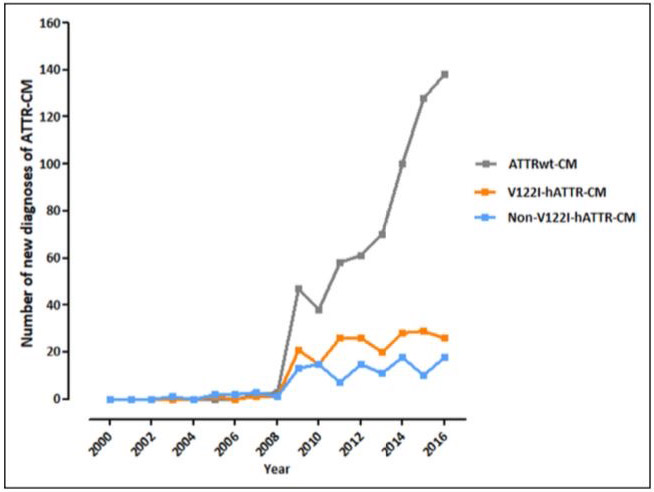
Estimates suggest thousands of people in the UK live with amyloidosis, although exact numbers are unclear due to underdiagnosis. The rate of diagnosis is increasing due to improved diagnostic techniques and increased awareness. In addition, treatment developments mean patients are living longer. The result is an increasing number of individuals needing care and support.

Inequity of care

There are significant geographical differences in terms of access to essential and appropriate care. For example, the National Amyloidosis Centre (NAC) in London is the UK’s centrally-commissioned national referral centre for amyloidosis. The NAC provides a diagnostic and management advisory service, and is also responsible for prescribing certain medicines. Currently most amyloidosis patients are seen here, however, for the many who live outside the Greater London area this can mean long journeys, which is especially difficult for those who are in ill health.
Certain patient communities remain underserved. For example, one form of hereditary ATTR amyloidosis, caused by the V122I (or V142I) variant or mutation almost exclusively affects people of African and Caribbean descent. The V122I subtype is the most common form of hereditary amyloidosis in the UK, but this patient group are still diagnosed later and have worse outcomes than those with other forms.

Why this matters

Patient impact

Delayed diagnosis and lack of awareness leads to irreversible organ damage and significantly shortened life expectancy and poor quality of life. The condition is often diagnosed too late for effective treatment

Family impact

Patients and their families often struggle to access the holistic support they so desperately need. Their psychological, financial and practical needs are not being met

Economic impact

Early diagnosis and appropriate treatment can reduce the burden on the NHS by preventing severe complications and reducing the need for more intensive, costly care

What needs to be done

Increase awareness

Support nationwide awareness campaigns to educate healthcare professionals and the public about amyloidosis

Improve support services

Ensure that ALL patients have access to specialist care, support services, and clear treatment pathways

Policy changes

Support policies that ensure timely diagnosis and access to treatment, potentially saving lives and reducing long-term healthcare costs

UK Amyloidosis Network

Plans for a UK Amyloidosis Network have been drawn up, however this project has been delayed and reduced in scope since it’s first inception, while patient need has increased. This project needs to be prioritised

Funding for research

Advocate for increased funding for research into amyloidosis, including prevalence and the impact of effective treatment and holistic care programs

Support Us